
Business Vehicle Finance Explained: Cars, Utes & Commercial Vehicles
For many Australian businesses, a vehicle is more than a way to get from one place to another — it is an essential tool that helps generate income, service customers, transport equipment, and keep daily operations moving.
Whether you’re purchasing a work ute for your trade business, adding commercial vans to your fleet, or upgrading company vehicles, the right finance structure can help you access the vehicles you need while managing your business cash flow.
At MorFin Group, we help Australian businesses compare business vehicle and ute finance options, understand lender requirements, and choose finance solutions that align with their operational needs and future plans. From first-time vehicle purchases to fleet expansion, we guide you through the process from application through to settlement.

What is business vehicle and ute finance?
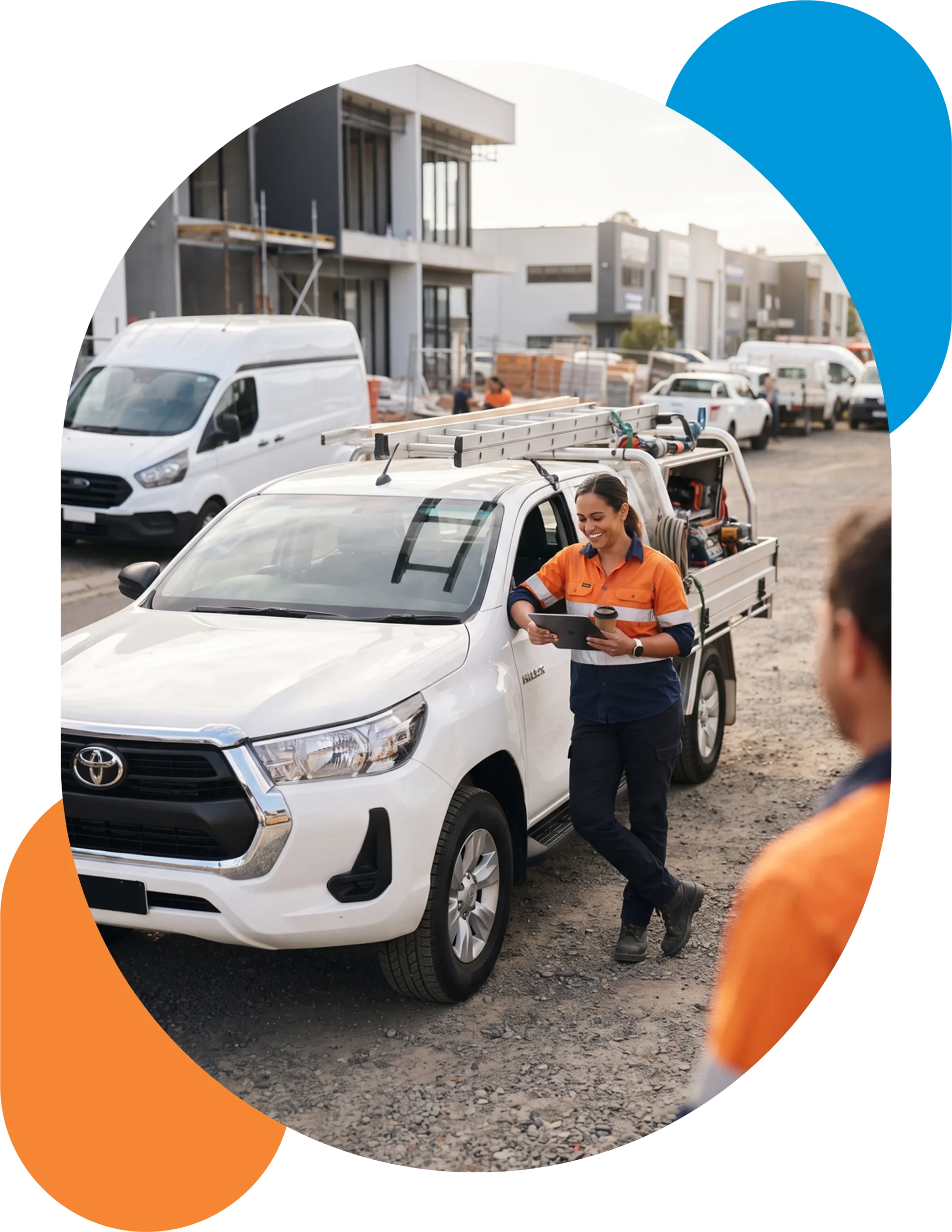
Business vehicle finance is a funding solution that helps businesses purchase vehicles required for their operations without paying the entire purchase price upfront.
Instead of using a large amount of available cash on a vehicle purchase, businesses can spread repayments over an agreed finance term while using the vehicle to support their day-to-day activities.
Business vehicle finance may be used for:
- Work utes
- Commercial vans
- Business cars
- Delivery vehicles
- Service vehicles
- 4WD vehicles
- Fleet vehicles
- Light commercial vehicles
- Trade vehicles
The right finance structure allows businesses to acquire reliable vehicles while maintaining flexibility for other operational expenses and growth opportunities.
Why businesses finance vehicles and utes
A reliable vehicle can directly impact how efficiently a business operates. For many businesses, the right vehicle helps employees reach customers, transport equipment, complete jobs, and take on new opportunities.
Vehicle downtime can affect productivity, customer service, and revenue. Financing a replacement or additional vehicle can help businesses maintain reliable transport without waiting years to save the full purchase amount.
Purchasing a vehicle outright can require a significant upfront investment. Finance allows businesses to spread the cost over time, keeping available funds for expenses such as wages, fuel, insurance, stock, marketing, and daily operations.
A growing business may need additional vehicles to service more customers, expand into new areas, or support a larger team. Vehicle finance can help businesses invest in the transport capacity needed to grow.
Older vehicles may result in increased maintenance costs, reduced reliability, and operational delays. Financing an updated vehicle can help businesses improve efficiency while keeping their operations running smoothly.
From replacing an ageing work vehicle to supporting business expansion, vehicle finance provides businesses with a practical way to invest in reliable transport without putting unnecessary pressure on available funds.
Vehicles commonly financed by businesses
Many types of business vehicles may be eligible for finance depending on lender requirements, vehicle age, condition, and intended use.
They provide practical transport for tools, equipment, materials, and work crews. Utes are commonly used by:
- Tradies
- Contractors
- Builders
- Electricians
- Plumbers
- Landscapers
- Maintenance businesses
They provide additional storage capacity while supporting daily business activities. Vans are often used by:
- Delivery businesses
- Service technicians
- Trades businesses
- Cleaning companies
- Logistics operators
Some businesses finance passenger vehicles for:
- Sales teams
- Client visits
- Business travel
- Employee vehicles
Businesses with multiple employees or operational teams may require several vehicles to support their activities. Fleet finance can help businesses add vehicles while managing overall cash flow and repayment commitments.
The most suitable vehicle depends on your industry, daily operations, and future plans. Understanding how the vehicle will be used is an important step in choosing the right finance solution.
Choosing the right vehicle for your business
The right business vehicle depends on more than purchase price. Businesses should consider how the vehicle will be used and how it supports daily operations.
Consider:
- What work the vehicle will perform
- How much equipment it needs to carry
- Whether towing capacity is required
- How frequently it will be used
A vehicle that suits your operational needs can help improve productivity and reduce unnecessary costs.
Both new and used vehicles can provide value depending on your circumstances.
New vehicles offer: Latest features and technology, manufacturer warranties, lower concerns around previous use.
Used vehicles offer: Lower purchase costs, more affordable entry points, greater choice within a budget.
Finance availability depends on lender policies and the vehicle being purchased.
A sole trader purchasing one work ute will have different requirements from a company managing multiple commercial vehicles. The right finance structure should consider:
- Current vehicle needs
- Future growth plans
- Expected replacement cycles
- Business cash flow
Once you understand your vehicle requirements, the next step is selecting a finance structure that matches your ownership preferences, repayment expectations, and long-term business objectives.
Business vehicle finance options
Different businesses have different ownership preferences and financial goals. Common vehicle finance options include:
A chattel mortgage allows the business to own the vehicle from the date of purchase, while the lender holds security over the asset until the finance is repaid. This option may suit businesses planning to keep the vehicle long term and wanting immediate ownership.
Commercial hire purchase allows businesses to use the vehicle while making regular repayments, with ownership generally transferring once the agreement is completed. This may suit businesses that prefer structured repayments and eventual ownership.
Leasing allows businesses to use a vehicle without owning it immediately. This may suit businesses that regularly upgrade vehicles or prefer flexibility.
A commercial vehicle loan provides funding to purchase business vehicles through scheduled repayments over an agreed term.
Selecting the right structure depends on your ownership preferences, business cash flow, and long-term financial strategy.
What lenders consider for vehicle finance applications
Understanding lender requirements can help businesses prepare a stronger application.
Lenders review income, cash flow, and financial performance to assess whether the business can comfortably manage repayments.
Both personal and business credit profiles may be considered depending on the applicant structure and lender requirements.
The vehicle itself also plays an important role in the assessment. Lenders typically consider factors such as the vehicle's age, purchase price, condition, supplier, intended business use, and estimated resale value when evaluating the application.
Established businesses may have access to a wider range of lending options. Some lenders may also consider newer businesses depending on their circumstances.
Deposit requirements vary between lenders and depend on factors such as borrower profile, vehicle type, and finance structure.
Meeting lender requirements can improve access to suitable finance solutions and streamline the approval process.
Business vehicle finance for different industries
Different industries rely on vehicles in different ways, which is why finance solutions should be aligned with how the vehicle supports the business.
For tradies, a reliable ute or van is often one of the most important business assets. It allows them to carry tools, attend jobs, and complete projects efficiently.
Construction companies often require vehicles to transport workers, equipment, and materials between sites.
Businesses such as maintenance, cleaning, and repair companies rely on vehicles to reach customers and deliver services.
Commercial vehicles allow operators to meet customer demand, expand service areas, and improve delivery capacity.
Choosing a vehicle that suits your industry can improve efficiency, support day-to-day operations, and position your business for future growth. The right finance solution helps you invest in vehicles that work as hard as you do.
Interest rates, fees and finance considerations
When comparing business vehicle finance, the interest rate is only one part of the overall cost. Businesses should consider:
- Interest rate structure
- Loan term
- Balloon payment options
- Establishment fees
- Documentation fees
- Early repayment conditions
- Total borrowing costs
Looking at the complete finance structure helps businesses choose an option that supports both current operations and future plans.
Why businesses choose MorFin Group for vehicle finance
Finding the right vehicle finance solution involves more than choosing a lender. It requires understanding how the vehicle fits into your business operations.
We take the time to understand your business, vehicle requirements, and financial objectives before helping you explore suitable options.
Different lenders have different criteria, repayment structures, and lending policies. We help businesses compare available options from banks and specialist lenders.
Whether you're a sole trader purchasing your first work ute or an established business expanding a fleet, we help simplify the finance process.
We explain finance structures, repayment options, and lender requirements in straightforward language so you can make informed decisions.
From comparing finance options through to settlement, we coordinate the process and keep you updated at every stage.
Every business has different vehicle requirements and financial goals. At MorFin Group, we help you compare suitable finance options, understand your choices, and find a solution that supports your business both now and into the future.
Frequently Asked Questions
Yes. Many lenders provide finance for eligible business utes, subject to factors such as your business circumstances, vehicle details, and lending criteria.
Yes. Sole traders, companies, partnerships, trusts, and self-employed professionals may be eligible depending on lender requirements.
Yes. Many lenders offer finance for eligible used business vehicles. Approval depends on factors including vehicle age, condition, and value.
Yes. Businesses requiring multiple vehicles may be able to access fleet or commercial vehicle finance solutions depending on lender policies.
The right option depends on your ownership preferences, cash flow requirements, vehicle usage, and long-term business plans.
Some lenders may allow mixed-use vehicles, although eligibility and tax considerations depend on your circumstances. It is recommended to seek advice from your accountant regarding tax implications.
Approval timeframes vary depending on the lender, documentation provided, applicant circumstances, and complexity of the application.
Finance your next business vehicle with confidence
Whether you need a work ute, commercial van, business car, or fleet vehicle, MorFin Group helps Australian businesses compare finance options designed around their operational needs.
Our goal is to simplify business vehicle finance and help you access the vehicles required to keep your business moving today while supporting future growth.
Book a Consultation