
Low-Doc Asset Finance for New ABNs: What Australian Businesses Need to Know
Starting a business is exciting, but it also comes with a difficult timing challenge — you often need vehicles, equipment, and tools before your business has built the financial history lenders usually want to see.
Low-doc asset finance can provide eligible businesses with a simpler pathway to fund essential business assets while managing the challenges that come with starting a new venture.
At MorFin Group, we help new ABN holders understand their asset finance options, compare suitable lenders, and explore finance structures that align with their business goals. Whether you’re starting a trade business, becoming a contractor, or launching a new venture, we provide guidance throughout the finance process.

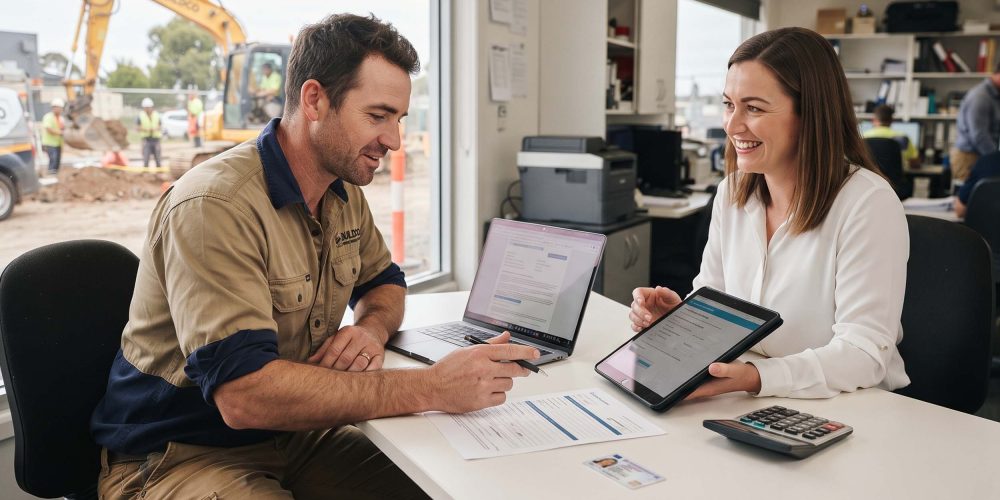
What is low-doc asset finance?
Low-doc asset finance is a business lending option where some lenders require fewer financial documents compared with traditional finance applications.
For new businesses, obtaining finance can sometimes be challenging due to limited trading history, fewer financial records, or a lack of established business performance. Low-doc finance may help eligible applicants access essential assets while meeting different documentation requirements.
The asset being purchased generally acts as security for the finance, allowing businesses to acquire productive assets while making structured repayments over an agreed term.
Low-doc asset finance may be used for:
- Work vehicles
- Utes and vans
- Commercial vehicles
- Machinery
- Construction equipment
- Trade tools
- Agricultural equipment
- Medical equipment
- Technology assets
The availability of low-doc finance depends on lender policies, borrower circumstances, and the type of asset being financed.
What documentation may be required?
Although known as "low-doc" finance, lenders still require information to assess your application. Depending on the lender, documentation may include:
- Australian Business Number (ABN) details
- Business Activity Statements (BAS)
- Recent business bank statements
- Accountant declarations
- Identification documents
- Asset purchase invoice or supplier quote
Each lender has different documentation requirements, making it important to compare available options.
Why new ABN holders consider low-doc asset finance
Starting a business often requires upfront investment. From purchasing a vehicle to acquiring specialised equipment, having access to the right assets can determine how quickly a business can begin operating.
Many new business owners need assets before they have built a long trading history. A work vehicle, machinery, or specialist equipment may be essential from the beginning. Low-doc finance may help eligible businesses access these assets sooner rather than delaying operations while building savings.
Starting involves ongoing costs like insurance, marketing, software, stock, licences, and operating expenses. By spreading the cost of an asset over time, finance helps you maintain available funds for these essential expenses while supporting early growth.
The right assets can help new businesses take on customers, complete projects, and generate income. Whether it is a ute for a trade business or machinery for a growing operation, access to reliable equipment creates opportunities from the beginning.
Traditional applications may require extensive financial information. Some low-doc finance options involve a more streamlined application process, making it more accessible for businesses that are still establishing their financial history.
Every new business journey looks different, but access to the right assets can provide the foundation needed to start operating, serve customers, and build future opportunities.
Who may benefit from low-doc asset finance?
Low-doc asset finance can be relevant for a range of new business owners and operators.
Many start businesses based on existing skills but require assets to begin. Examples include: Electricians, Plumbers, Builders, Landscapers, Cleaners, and Maintenance contractors. A suitable vehicle or equipment can help attend jobs and serve customers.
Some professionals transition from employment or contracting roles into running their own businesses. Although the ABN may be new, their industry experience can still be valuable when lenders assess an application.
Businesses with recently registered ABNs may explore asset finance options designed for newer businesses, depending on lender criteria.
A new ABN does not always mean a new business owner. Some lenders may consider previous industry experience, financial position, and the purpose of the asset being purchased.
While a new ABN may mean limited business history, it does not always reflect the experience, skills, or potential behind the business. Lenders consider multiple factors when assessing whether finance may be suitable.
What assets can new ABNs finance?
The assets required by a new business will depend on the industry and operational needs. Many income-producing assets may be eligible for finance, including:
Vehicles are often one of the first investments required by new businesses. Examples include:
- Work utes
- Vans
- Cars
- Trucks
- Commercial vehicles
Many trade businesses rely on specialised equipment to complete jobs efficiently. Examples include:
- Tools
- Machinery
- Specialist equipment
- Workshop equipment
Different industries require different productive assets. Examples include:
- Construction machinery
- Agricultural equipment
- Medical equipment
- Printing & Tech systems
- Commercial equipment
Eligibility depends on lender policies, asset value, condition, and intended business use.
Can you get asset finance with a new ABN?
Having a new ABN does not automatically prevent a business from accessing asset finance. However, lenders consider several factors when reviewing applications, including:
- Credit history
- Business experience
- Income position
- Asset being financed
- Ability to manage repayments
- Lender-specific requirements
Some lenders may be more comfortable with new businesses than others, which is why comparing available options can be important.
Factors lenders consider for new ABN applications
Understanding what lenders assess can help business owners prepare a stronger application.
Previous experience in your industry may help demonstrate your ability to operate successfully. For example, a tradesperson starting their own business may have years of practical experience even if their ABN is newly registered.
Lenders want to understand whether the business can comfortably manage finance repayments. They may consider expected income, existing commitments, business projections, and personal financial position.
Personal and business credit profiles may be reviewed depending on the applicant structure and lender requirements. A strong credit profile may support a stronger application.
The asset plays an important role. Lenders assess asset type, purchase price, age, condition, resale value, and business purpose. Some lenders may also require a deposit based on the profile.
Preparing the right information and understanding lender expectations can improve the finance process and help you identify solutions that are more aligned with your business circumstances.
Low-doc asset finance vs traditional asset finance
Both options help businesses acquire important assets, but the application process and assessment criteria may differ.
| Feature | Low-doc asset finance | Traditional asset finance |
|---|---|---|
| Documentation | May require fewer financial documents | Usually requires more detailed financial information |
| Suitable for | Some new or developing businesses | Established businesses with financial history |
| Assessment approach | Based on lender criteria and applicant circumstances | Often includes detailed financial review |
| Financial history | May have less emphasis depending on lender | Usually more significant |
| Application process | May be simpler for eligible applicants | Often requires additional documentation |
The most suitable option depends on your business circumstances, asset requirements, and lender availability.
Tips to strengthen your application
Preparing your application carefully can improve lender confidence and increase your available options.
Providing accurate and up-to-date business information helps demonstrate financial stability.
Consistent business income and well-managed accounts can strengthen your application.
Borrowing an amount aligned with your business requirements and repayment capacity supports responsible lending outcomes.
Comparing multiple lenders can improve your chances of finding a finance solution suited to your circumstances.
A well-prepared application often results in a smoother approval process and more suitable lending options.
How MorFin Group helps new businesses access asset finance
Starting a business requires more than finding finance — it requires understanding which option supports your long-term goals.
We understand that new business owners may need vehicles, equipment, and machinery before they have years of financial history. Our team helps you explore finance options based on your circumstances.
Different lenders have different policies when assessing new ABN applications. We help compare available options from banks and specialist lenders to identify suitable finance solutions.
We look beyond the asset purchase and consider how the finance structure fits your operations, cash flow, and future plans.
Finance terminology can be confusing, especially for first-time business owners. We explain your options clearly so you can make informed decisions.
From understanding your options to completing the finance process, we provide guidance at every stage.
With guidance from an experienced finance partner, new business owners can better understand available options and make decisions that support both immediate operations and long-term growth.
Frequently Asked Questions
Yes, some lenders offer asset finance options for businesses with new ABNs. Approval depends on factors including your financial position, credit history, business experience, and the asset being financed.
Requirements vary between lenders. Some lenders may consider newer ABNs, while others may require a period of trading history.
Yes. Sole traders may be eligible for low-doc asset finance depending on lender criteria and their personal and business circumstances.
Some low-doc options require fewer financial documents, but documentation requirements vary between lenders.
Yes. Some lenders provide finance for eligible business vehicles, including utes, subject to lending criteria.
Some lenders consider applications from startups and new businesses. Eligibility depends on factors such as business experience, asset type, and repayment ability.
New businesses may be able to finance vehicles, machinery, equipment, tools, and other productive business assets depending on lender requirements.
Deposit requirements vary depending on the lender, applicant profile, and asset being financed.
Give your new business the assets it needs to grow
Starting a new business requires the right tools, equipment, and resources to succeed. Low-doc asset finance may help eligible businesses access essential assets while managing the challenges of building a new venture.
At MorFin Group, we help new ABN holders compare finance options, understand lender requirements, and choose solutions designed around their business goals.
Whether you need a work vehicle, machinery, or essential equipment, our team can help you explore your options with clarity and confidence.
Book a Consultation