Why equipment matters for tradies
For trade businesses, equipment directly affects productivity, reliability, and the ability to complete work efficiently.
A tradie without the right tools may have to delay jobs, outsource work, or turn down opportunities. On the other hand, having suitable equipment can help businesses complete projects faster and take on more valuable contracts.
Equipment finance can help tradies invest in:
- Better tools
- More reliable machinery
- Specialist equipment
- Safety equipment
- Technology solutions
- Business expansion assets
Whether you are starting your own trade business or upgrading an established operation, the right equipment can become one of your most valuable business investments.
The best equipment investment is not always the most expensive option. It is the equipment that helps your business work more efficiently, serve customers better, and create opportunities for growth.
What equipment can tradies finance?
Different trades require different equipment. Depending on lender requirements, many business assets used to generate income may be eligible for finance.
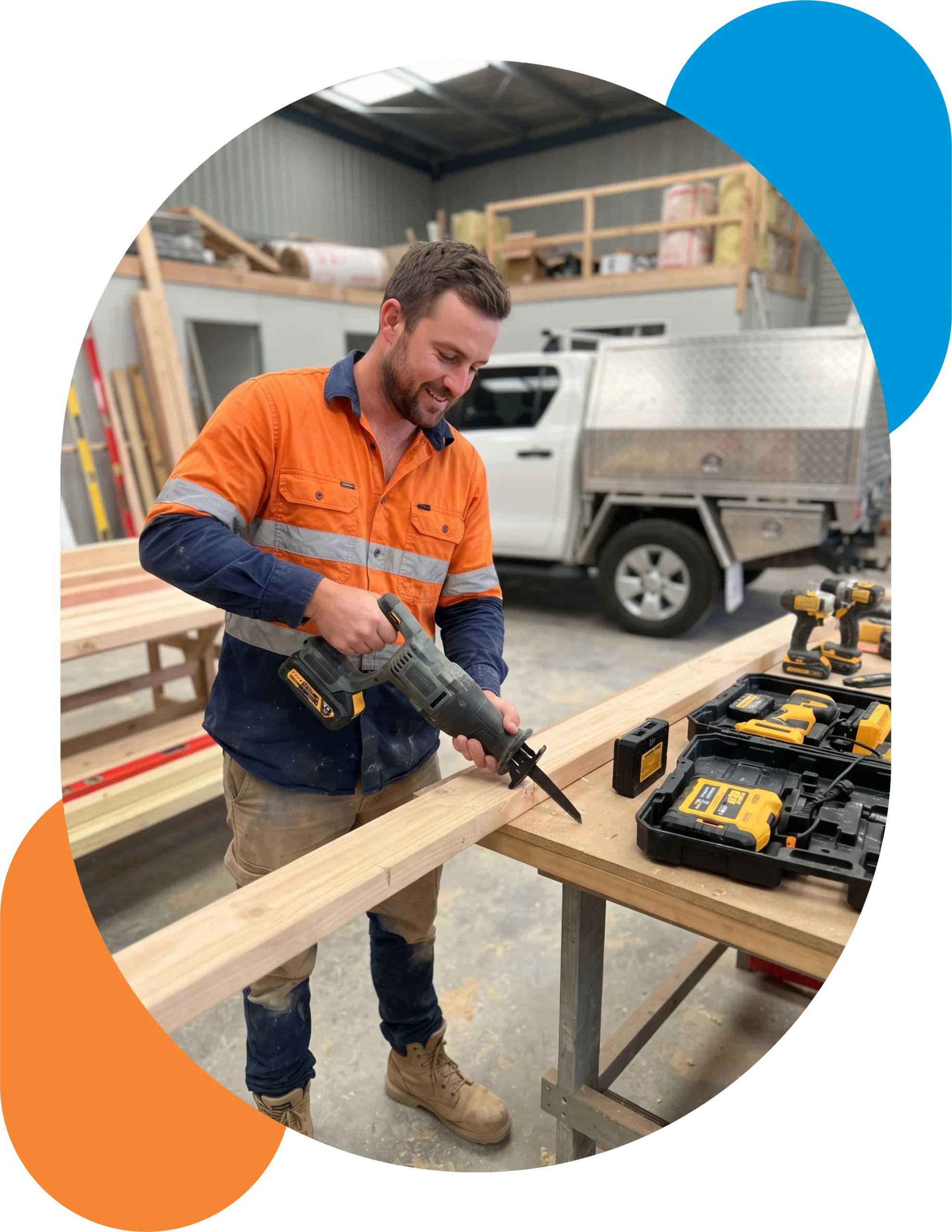
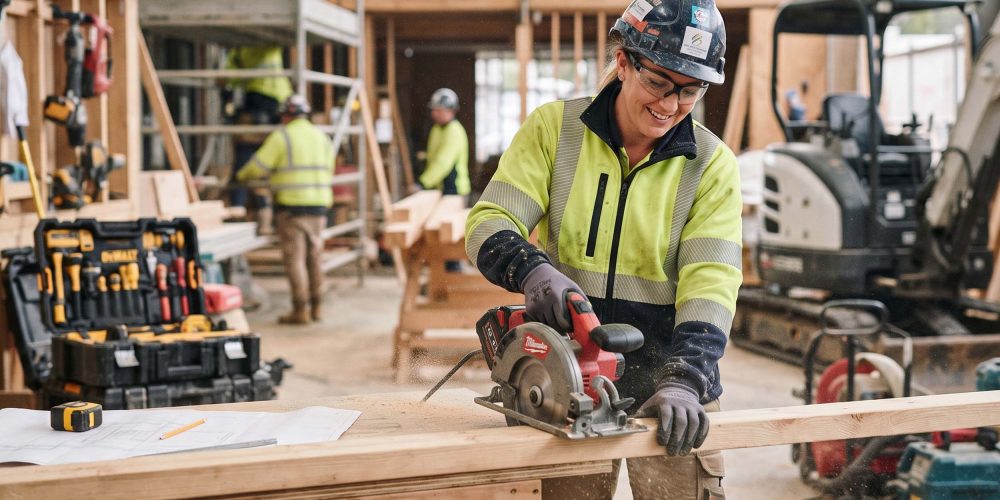
Tools and trade equipment
Many tradies rely on specialised tools to complete everyday work. Examples include:
- Power tools
- Diagnostic equipment
- Welding equipment
- Electrical testing equipment
- Plumbing tools
- Workshop equipment
- Specialist trade tools
For many sole traders, these assets are essential from the first day of operation.
Vehicles and mobile equipment
Many trade businesses require vehicles that allow them to transport tools, materials, and equipment between job sites. Examples include:
- Work utes
- Vans
- Trailers
- Service vehicles
- Mobile workshops
A reliable vehicle can help tradies attend more jobs and reduce disruption caused by breakdowns or unreliable transport.
Machinery and larger equipment
Growing trade businesses often invest in larger equipment to expand their capabilities. Examples include:
- Excavators
- Earthmoving equipment
- Generators
- Compressors
- Lifting equipment
- Construction machinery
These assets can help businesses complete larger projects and reduce reliance on external contractors.
Technology and business equipment
Modern trade businesses increasingly use technology to improve operations. Examples include:
- Tablets
- Job management systems
- Software equipment
- Communication tools
- Digital measuring devices
Technology investments can help tradies manage customers, quotes, scheduling, and projects more efficiently.
How equipment finance helps trade businesses grow
Equipment finance is not only about purchasing tools. It is about giving businesses access to the resources required to operate and expand.
Take on bigger projects
Having the right equipment can allow tradies to accept jobs that may have previously been outside their capability. For example:
- A builder investing in additional machinery may take on larger construction projects.
- An electrician upgrading testing equipment may complete more specialised work.
- A landscaper purchasing machinery may increase project capacity.
Replace outdated equipment
Old equipment can slow down operations and create unnecessary costs. Common challenges include:
- Frequent repairs
- Lost working hours
- Reduced productivity
- Safety concerns
Upgrading equipment can help businesses maintain reliable operations.
Improve daily efficiency
The right equipment allows tradies to spend less time managing limitations and more time completing profitable work. Better equipment can help:
- Reduce manual effort
- Complete jobs faster
- Improve accuracy
- Increase workplace efficiency
Build a more professional business
Reliable equipment can also influence customer confidence. A well-equipped business can present a more professional image while being better prepared to meet customer expectations.
Equipment is often an investment in the future earning potential of a trade business.
Equipment finance options available for tradies
Different businesses have different ownership preferences and financial requirements. Common equipment finance structures include:
Chattel mortgage
A chattel mortgage allows the business to own the equipment from the date of purchase while the lender holds security over the asset until the finance is repaid.
This may suit tradies who:
- Want immediate ownership
- Plan to keep equipment long term
- Want control over the asset
Equipment finance loan
Equipment finance provides funding to purchase business assets through structured repayments over an agreed term. This option may suit businesses looking to acquire tools, machinery, or specialist equipment while managing cash flow.
Commercial hire purchase
Commercial hire purchase allows businesses to use equipment while making regular repayments, with ownership generally transferring after completion of the agreement. This may suit businesses that prefer predictable repayment structures.
Equipment leasing
Leasing allows businesses to use equipment without owning it immediately.
This may suit tradies who:
- Regularly upgrade equipment
- Want flexibility
- Prefer avoiding ownership responsibilities
The right finance structure depends on your business stage, cash flow position, equipment requirements, and long-term plans.
Equipment finance for new and established tradies
Equipment needs often change depending on where your business is in its journey.
Starting a new trade business
New tradies often need equipment before they can generate consistent income. Common first investments include:
- Work vehicle
- Essential tools
- Safety equipment
- Business technology
Equipment finance may help eligible new businesses access the assets needed to start operating.
Growing trade businesses
Established tradies may require additional equipment to support expansion. This could include:
- Additional vehicles
- Advanced machinery
- More specialised tools
- Equipment for new services
The right finance structure can help businesses expand without placing unnecessary pressure on available funds.
Larger trade companies
Businesses with employees or multiple teams may require ongoing equipment investment. Finance can help support:
- Fleet upgrades
- Additional machinery
- Replacement equipment
- Business expansion
Every trade business has different requirements, which is why equipment decisions should be based on operational needs rather than simply purchase price.
Choosing the right equipment for your trade business
Purchasing equipment is a long-term business decision. Before committing, consider how the asset will support your operations.
How often will you use it?
Equipment that is used regularly may provide greater value than assets purchased for occasional jobs. Consider:
- Frequency of use
- Number of jobs requiring the equipment
- Potential revenue generated
Will it improve your productivity?
The right equipment should help your business operate more efficiently. Ask:
- Will it save time?
- Will it reduce manual work?
- Will it help complete more jobs?
Does it support future growth?
Consider whether the equipment will still meet your needs as your business grows. A good investment should support both current jobs and future opportunities.
What are the ongoing costs?
The purchase price is only part of ownership. Consider:
- Maintenance
- Repairs
- Servicing
- Insurance
- Replacement parts
Planning for these costs can help avoid unexpected pressure on your business.
What lenders assess for tradie equipment finance
Understanding lender requirements can help you prepare a stronger application.
Business income and cash flow
Lenders assess whether your business can comfortably manage repayments. They may consider:
- Business revenue
- Existing commitments
- Cash flow patterns
- Repayment ability
Credit history
Personal and business credit profiles may be considered depending on the applicant structure and lender requirements. A stronger credit profile may improve available options.
Industry experience
For new businesses, previous trade experience may be an important consideration. A newly registered business does not always mean a new operator. Many tradies bring years of industry knowledge into their own business.
Equipment details
Lenders may review:
- Equipment type
- Purchase price
- Age
- Condition
- Supplier
- Intended business use
Deposit requirements
Deposit requirements vary between lenders and depend on factors such as:
- Borrower profile
- Equipment type
- Finance structure
- Overall application
Common mistakes tradies make when financing equipment
Buying equipment based only on price
The cheapest option may not always provide the best value. Consider reliability, durability, and whether the equipment supports your business goals.
Over-investing too early
Buying equipment before your business requires it can place unnecessary pressure on cash flow. Choose assets based on actual business needs.
Ignoring equipment downtime
Cheap or unreliable equipment can cost more through delays, repairs, and missed work opportunities.
Not comparing finance options
Different lenders offer different structures, repayment options, and requirements. Comparing options can help you find a solution better suited to your circumstances.
How MorFin Group helps tradies with equipment finance
Tradies need finance solutions that understand how their businesses actually operate.
Trade-focused finance guidance
At MorFin Group, we help electricians, plumbers, builders, contractors, and other trade professionals explore equipment finance options suited to their needs.
Access to multiple lenders
Different lenders have different approaches to trade businesses and equipment purchases. We help compare available options from banks and specialist lenders.
Finance based on your business goals
We take the time to understand your equipment requirements, cash flow, growth plans, and ownership preferences. This allows us to help you explore finance structures that are aligned with your business objectives, both now and into the future.
Simple explanations
Finance can involve complicated terms and structures. We explain your options clearly so you can make informed decisions.
Support from application to settlement
From comparing options to completing the finance process, we help guide you through each stage.
The goal is to make equipment finance simpler so you can focus on running your trade business.
Frequently Asked Questions
Can tradies get equipment finance?
Yes. Eligible tradies may be able to access equipment finance for tools, machinery, vehicles, and other business assets.
What equipment can a tradie finance?
Tradies may be able to finance tools, vehicles, machinery, workshop equipment, technology, and other income-producing assets.
Can a new tradie get equipment finance?
Some lenders consider applications from new trade businesses depending on factors such as credit history, experience, income position, and the asset being financed.
Can I finance used trade equipment?
Yes. Many lenders offer finance for eligible used equipment, subject to factors such as age, condition, and value.
Do I need a deposit for equipment finance?
Deposit requirements vary depending on the lender, borrower circumstances, and equipment being purchased.
Can I finance tools for my trade business?
Yes. Some lenders provide finance solutions for eligible trade tools and equipment used for business purposes.
Is equipment finance tax deductible?
Tax treatment depends on your individual circumstances, business structure, and current tax rules. Speak with your accountant for advice.
How long does equipment finance approval take?
Approval timeframes vary depending on the lender, documentation provided, and complexity of the application.
Equip your trade business for the next opportunity
The right tools and equipment can help tradies complete better work, take on more jobs, and build stronger businesses.
Whether you need essential tools, a work vehicle, or larger machinery, MorFin Group helps Australian trade businesses explore equipment finance options designed around their operational needs.
With access to multiple lenders and guidance throughout the process, we help you make informed finance decisions with confidence.
Book a Consultation